How we print
The shop floor, in the order the work happens.
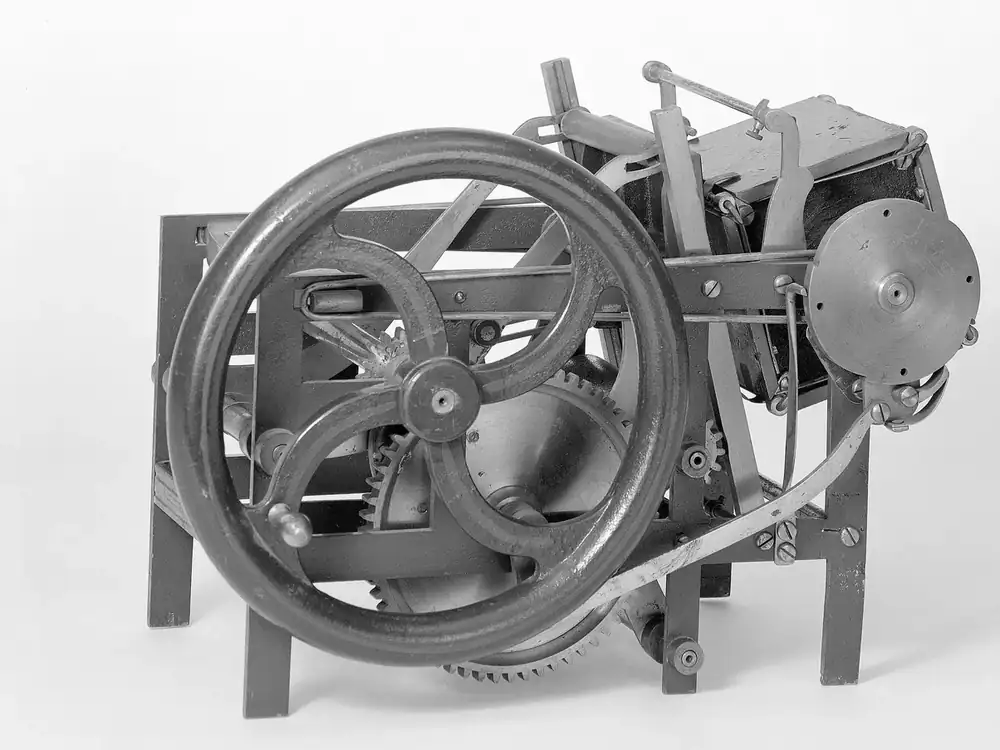
Letterpress is a short list of steps done carefully, and most of the time on a job is spent before the press turns. This page walks the floor in order, from the form to the box, so you know what your proof went through and why a run takes the weeks it takes.
The steps, in order
- Setting the formThe polymer plate is mounted on its base and locked into the chase with furniture and quoins, squared to the bed. Where a job is set in metal type instead, the type is set in the stick, tied, and locked up the same way. The form is checked for lift with a fingertip; anything loose comes out and is reset.
- Make-readyThe packing under the tympan is built up sheet by sheet until the plate strikes evenly across the whole image. A low corner gets a slip of tissue behind it; a heavy solid gets a little taken away. Make-ready is where the impression is decided, and it takes longer than the printing for every small run.
- InkingInk is worked onto the disk or the drum with a knife, and the rollers pick it up and lay it across the plate on each pass. Too much ink fills the counters of the letters; too little prints gray. The right amount is judged from the drawdown and from the first sheets.
- The first pullOne sheet through the press, then a long look under the lamp. Register against the gauge pins, the weight of the impression, the evenness of the ink, any lift or slur. Most of what is found is fixed in the packing, and the pull is repeated until it is right.
- The proofThe sheet you receive is a pull from this point, on your paper, in your ink. It goes in the post with a short note of anything we changed from the artwork. The run waits for your answer.
- The runEvery sheet is fed by hand and taken off by hand, checked against the proof as it comes off. The press is stopped for a re-ink when the ink thins, and for a re-pack if the impression drifts as the tympan settles.
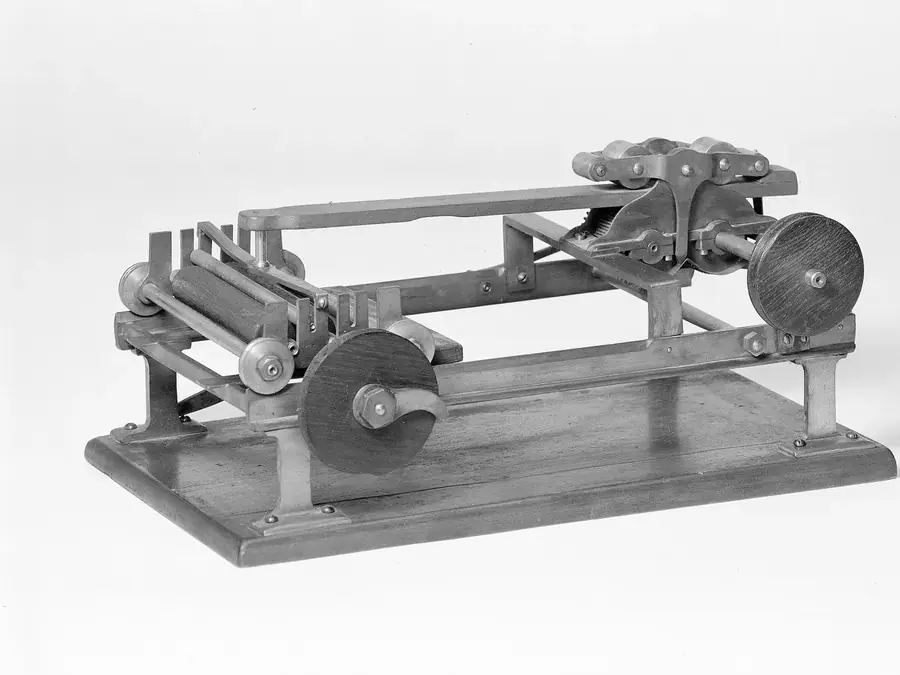
- DryingPrinted sheets go onto the drying rack overnight. Letterpress ink dries by absorbing into the paper, not by heat, and a second color cannot go down until the first has set.
- Trimming and scoringSheets are cut to size on the guillotine, one small stack at a time so the cotton does not crush. Folded cards are scored on the press before trimming and folded by hand along the score.
- BoxingCards are counted, wrapped and boxed with their envelopes; sets get their liners fitted first. The box is labeled from the same run, and the job is ready to collect or to post.
Why colors drift a shade between runs
A letterpress color is not a number; it is a mix of ink on a particular paper on a particular day. The same tin of ink prints a little darker on a humid day, because the paper is softer and takes more of it. A new batch of cotton stock can be a touch whiter or warmer than the last, and the same ink reads differently against it. The rollers wear, the packing settles, and the pressman judges the ink film by eye against the drawdown.
All of that is held tight inside one run, where the sheets go through the same press on the same day with the same packing. Between runs it moves, usually by less than most people notice and sometimes by a shade that a careful eye will see if two batches sit side by side. This is why a reprint always goes through a new proof, and why we ask you to order everything that must match in a single run.
Two-color jobs have a second source of drift: register. We hold the second color to the first by gauge pins and by eye, and on cotton stock that has been through the press once already, the sheet has changed a little. A hairline gap between two colors that were drawn touching is the usual result, which is why we ask for air between them.
What we will not print
- Photographs, halftones, tints and gradients: letterpress prints solids and lines, and we do not have the screens or the digital press those need.
- Same-day, overnight or rush work of any kind; the schedule has no rush lane.
- Large-format work, banners, posters and signage; the presses are small and the paper is cotton.
- Artwork we would have to draw or lay out: we print the file you send.
- Foil, thermography, heat embossing and digital printing.
- Anything whose artwork is not yours to print. We ask and we take your word, but we will not print a mark that plainly belongs to someone else.
Your proof starts here
Send the artwork and the ink you have in mind. The first reply lists what we need before the form is set.
The two presses
The platen press closes like a clamshell, plate to paper, in one stroke, and it is the press for cards, place cards and bookplates. The cylinder proof press rolls the paper over the form under a heavy cylinder, and it is the press for larger sheets, for proofing metal type and for the deepest impressions on the double-thick stock. Both are fed one sheet at a time, by hand.
Where the time goes
Setting and make-ready take the first day of any job. Printing a small run takes an afternoon. Drying takes the night. A second color repeats the first three. Trimming, folding and boxing take the last day. The gaps between those days are other people's jobs, which is why an approved proof turns into a finished box in weeks rather than days.